Borealis is somewhat of a unicorn in the world of new and experimental music festivals. Held each March in Bergen, Norway, the festival is a self-described “place for adventurous listeners, celebrating music that resists a single definition” — and they routinely offer diverse and adventurous programming that captures a wide array of aesthetics, narratives, and ideas. But what makes Borealis truly unique is their ability to operationalize their values with a simultaneously plucky and warm spirit — in Janusian fashion, they fiercely confront systemic inequities while inviting audiences into their spaces with intention and care.
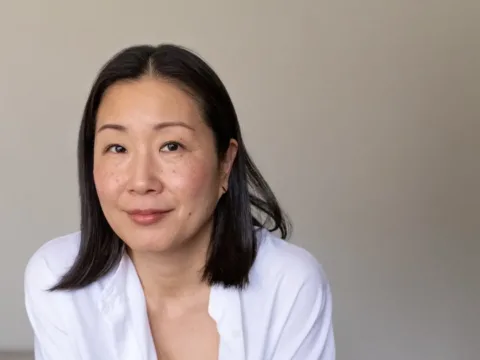
The 2026 festival marks a major inflection point as Peter Meanwell completes his 12-year tenure as Artistic Director and transitions leadership of the organization to Tze Yeung Ho. “My employment at Borealis was in three four-year terms, and I’d agreed with the board that, for the good of the organization, it should be capped at that,” Meanwell shared in our recent interview. “I just felt like, having spoken about equity for so long, to put myself at the head of the organization forever was not really in keeping with the values we were trying to set out.”
Borealis has consistently been at the forefront of social change in the music industry, from racial and gender equity in programming to responsible collaborations with Indigenous communities and better accessibility practices for artists and audiences. Meanwell notes that among his team, there was always a genuine investment in equity work, and it was never a performative exercise. He explained, “From the time I began in 2014, there was this desire to question the assumptions of how work was presented. Does it have to be in the chamber hall? Does it have to be five 12-minute pieces? Does there have to be an interval?”
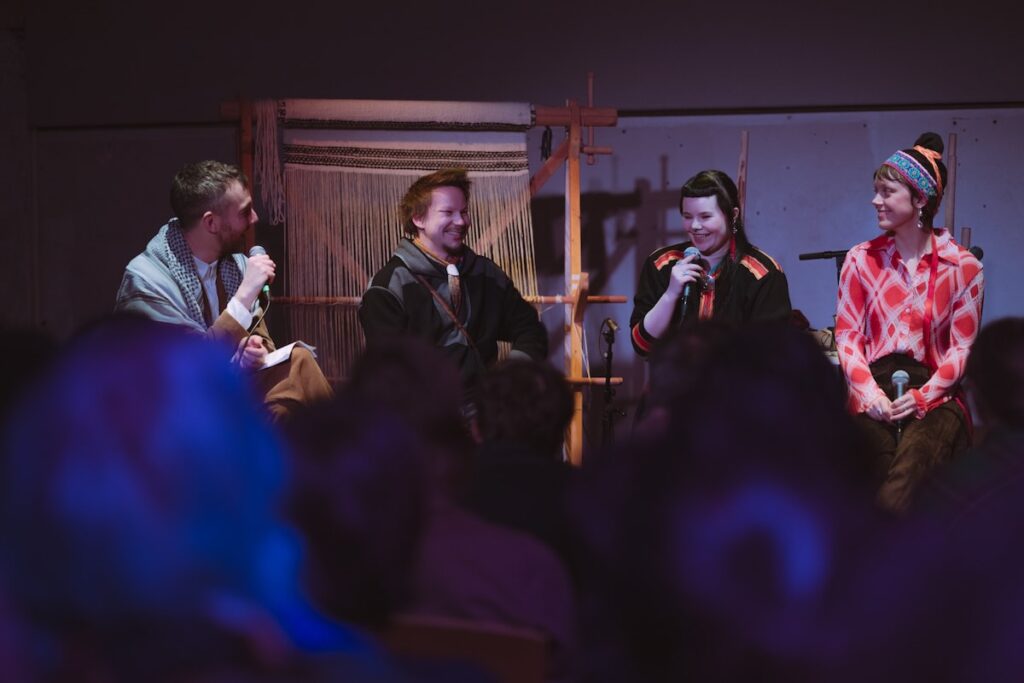
By challenging the very foundation of the festival structure, the Borealis team was able to reimagine artistic collaboration models. Over time, this evolved into a consistent practice of starting with conversations with artists, learning what they wanted to create, and figuring out how the festival was in a position to facilitate that vision. And this commitment to relationship-building has allowed the new works commissioned by Borealis to naturally incubate before being premiered.
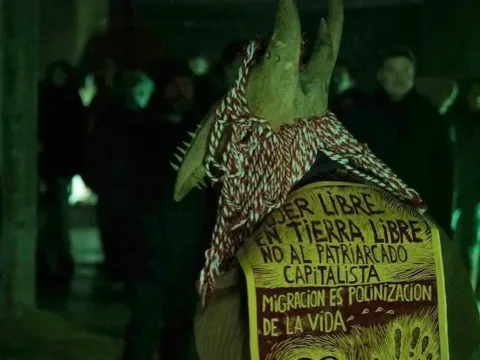
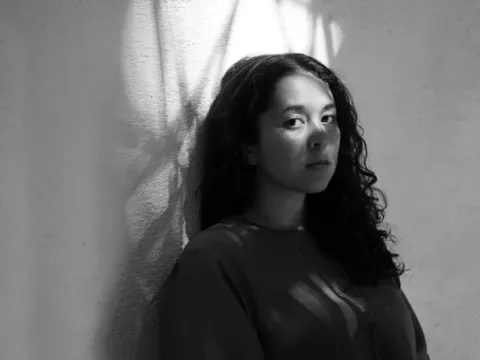
For example, the 2026 festival is the culmination of Jaleh Negari’s artist-in-residence position with the festival. The Danish-Iranian drummer, composer, sound artist has been exploring concepts of identity and displacement over a two-year period that has included workshops and extensive research. At the festival, this work will be realized as both a gallery exhibit (ما به هم می رسیم | we reach each other) and a musical performance (Earthly Bonds), threading her ideas through sound, visual, and spatial forms.
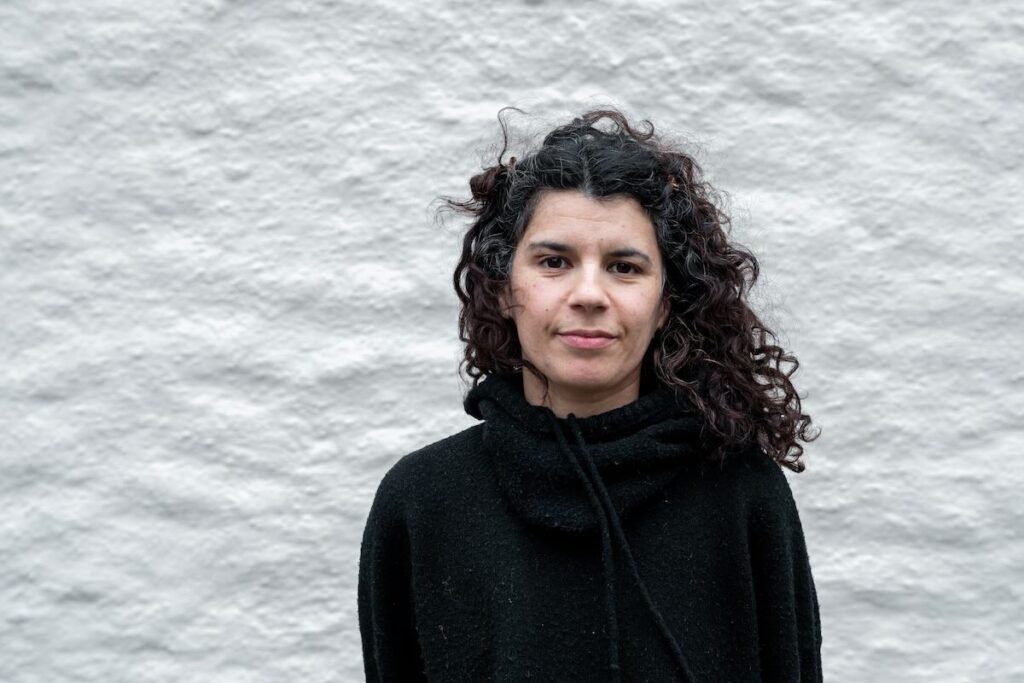
About 90% of this year’s festival consists of projects programmed by Meanwell, many of which have finally come to fruition after years of development conversations. But in October, he made the conscious decision to officially transition the planning to the new team.
“I still feel a great sense of ownership, and in a way, it’s been quite hard to step back,” he said. “[The projects] are ones I really wanted to follow through, but I think it’s only fair on the new team and the people who are taking the festival forward to not stick my nose in too much. So I’m kind of cheering from the sidelines.”
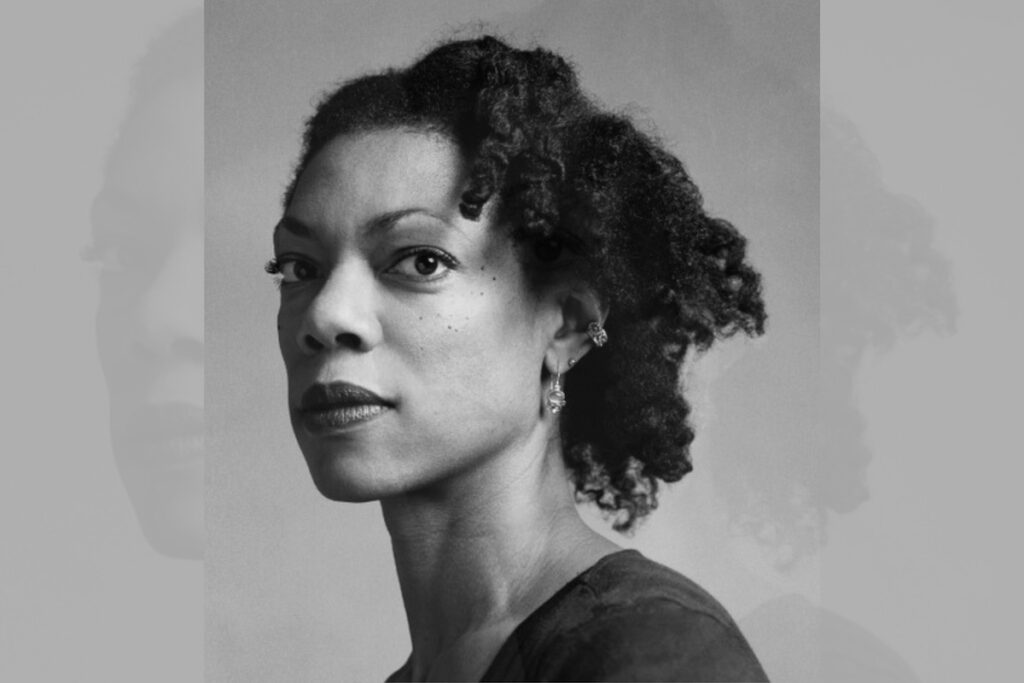
Knowing that this would be his last festival was the push Meanwell needed to finally make certain projects happen. One of these long-time dream collaborators was Camille Norment; her new work for Borealis titled Will there also be singing? will explore how we use our bodies and our voices as vehicles for expression during troubled times. The work takes its title from a quote by Bertolt Brecht: “In the dark times will there also be singing? Yes, there will also be singing about the dark times.”
When asked about the festival’s commitment to equitable programming, Meanwell explained that his team started asking questions like “Where does our money go?,” “Who gets the commissions?,” and “Who are we supporting?” This desire to effect structural change instead of mere representational change is reflected in Borealis’ recent engagement with Sámi culture; in addition to commissioning Sámi artists, the festival has been actively addressing the history of Nordic colonialism and language removal and bringing attention to the ongoing government interference on Indigenous lands in the north of Norway in Sápmi.
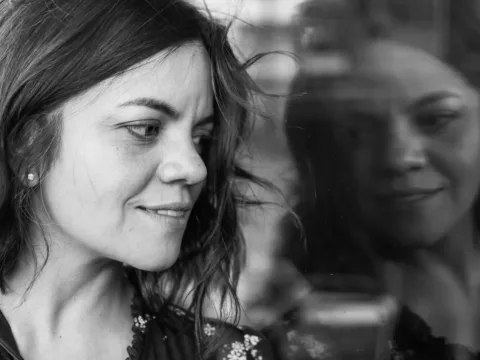
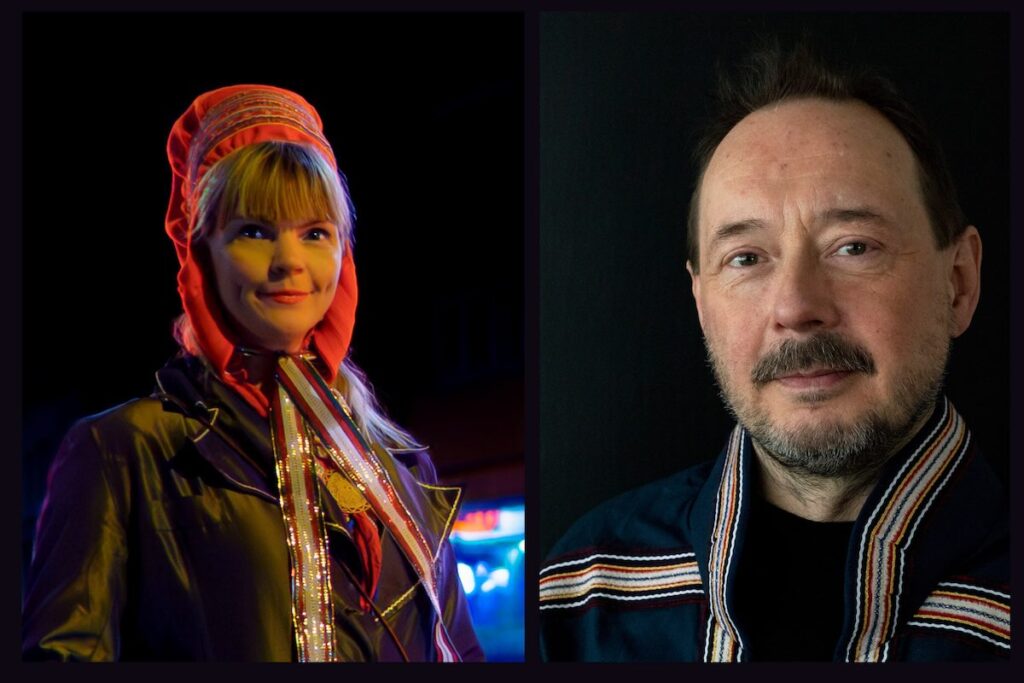
Among the Sámi artists on this year’s program are Sara Marielle Gaup and Johan Sara Jr. Gaup will present Nana Nannán – Solid Soil at Jiennagoahti, a small listening hut perched atop Mt Fløyen. The new work is rooted in joik, an intimate Sámi song tradition that has resisted centuries of suppression and erasure. And at Troldhaugen, the former home of Edvard Grieg, Sara will present the first live performance of The Eight Sámi Seasons. Scored for piano and strings, the chamber music work follows the unfolding of the Sámi year shaped by the movements of the reindeer herd.
In addition to ensuring that programmed artists have a positive collaboration experience with the festival, Meanwell and his team have also been dedicated to creating an experience where audiences feel welcome, are open to engaging with new perspectives, and feel confident that their needs will be met when they enter the space.
“We’re framing [the work],” Meanwell explained. “We’re holding it. We’re creating space for it, and we’re creating room for people to reflect on it.” He continued, “As time went, that grew into: what information do you need if you’re neurodiverse? What information do you need if you’re in a wheelchair? What information do you need if you’ve got kids? So, that also became part of that framing. We will hold this space, look after you while you’re with us, and you’ll come away having experienced something.”
Meanwell shared that Borealis’ approach to making the arts accessible for everyone has greater implications than attendance and ticket sales. “I really believe in the ability of arts and culture to conjure new worlds, to challenge the status quo, to give people a way of seeing things differently, of listening differently, of meeting the world in a different way and reflecting on themselves. Having experiences that go outside of your comfort zone give you a way of challenging your own perceptions, and I believe all of that is really valuable in a democratic society…if you don’t make that available to everybody in society, then I think you’re failing the political potential of the art and music.”
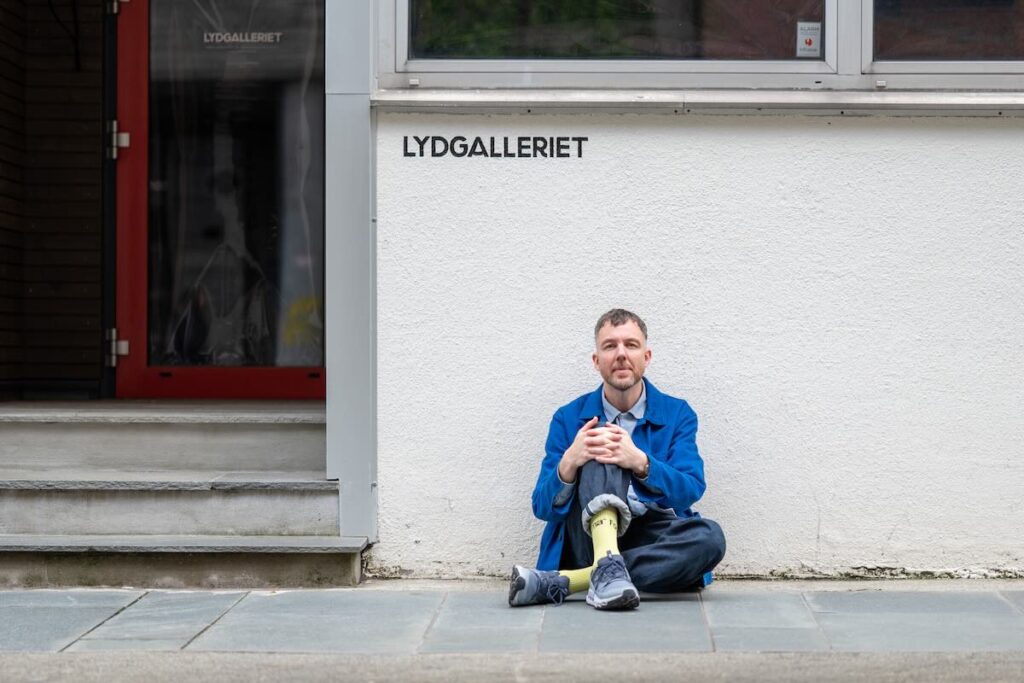
Reflecting on his final festival, Meanwell shared: “It’s a huge privilege to be able to follow one’s curiosities, dreams, and musical fascinations. Whatever you say, it’s still a gatekeeper job — you still get to choose — and I think it’s a great privilege to get to share music with people.”
As he moves to his new position at Lydgalleriet, a small exhibition space just down the block from the Borealis office, he is excited about what the future of the festival holds. “Borealis felt quite radical 12 years ago. I think it continues to be different, but the music world has changed a lot: the way that the electronic music world has met the classical music world, how the ambient world has come together. There are commissions and collaborations everywhere now…so, I rest happy, and I look forward to seeing how the new team brings it together. It will change, it’ll morph, and it’ll follow different paths, and I think that’s the beauty of it: that these things are fluid.”
Borealis 2026 runs Mar. 11-15 in Bergen, Norway. For more information, visit https://www.borealisfestival.no/en/
I CARE IF YOU LISTEN is an editorially-independent program of the American Composers Forum, and is made possible thanks to generous donor and institutional support. You can support the work of ICIYL with a tax-deductible gift to ACF. For more on ACF, visit composersforum.org.