Creativity comes alive during Iceland’s long and dark winter days. With a population of under 400,000, the small Nordic island is a surprisingly robust incubator for contemporary and experimental music. From solo artists and bands like Björk, Sigur Rós, and Of Monsters and Men to composers like Anna Thorvaldsdóttir and Daníel Bjarnason, many Icelandic musicians have managed to find that elusive balance between mainstream appeal and the freedom to chase unconventional ideas.
For over 45 years, Dark Music Days has embraced and supported this innovative spirit among Icelandic musicians. The annual festival, held each January in the capital city of Reykjavík, was established by the Society of Icelandic Composers in 1980 as a platform for premiering new and experimental works. With bold programming and a dedication to fostering homegrown talent, the festival is a snapshot and a celebration of the Icelandic contemporary music ecosystem.
The 2026 festival runs Jan. 29 – Feb. 1 and includes dozens of works by Icelandic composers performed by ensembles like the Iceland Symphony Orchestra, Caput Ensemble, Siggi String Quartet, and Reykjavík Chamber Orchestra; partnerships with Iceland University of the Arts and Reykjavík College of Music; and free sound installations and interactive sculptures in public venues. Throughout the weekend, audiences will get to experience a ritual song cycle linking Caribbean and Icelandic spiritual heritage, a solo violin performance reflecting on disability and grief, a zany partially-improvised “TV show,” and a memorial for an old gas station. Prior to the festival, we had the opportunity to chat with managing director and curator Gunnhildur Einarsdóttir to get a preview of Dark Music Days 2026.
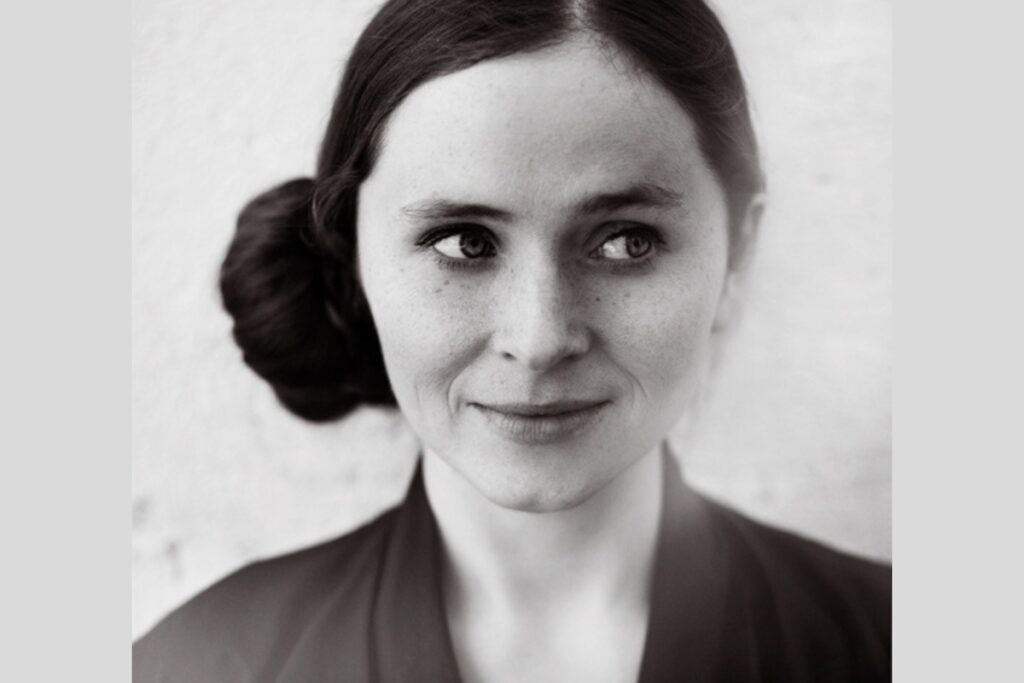
Dark Music Days has a unique model being run by the national composers society. In your experience, what are the benefits of a festival curated for artists, by artists?
I think the main benefit is that the festival is really designed to serve the scene. It is not curated with a focus on the curator or their artistic vision, but rather to be a venue for the scene to celebrate their creations and projects and also to meet and network. The focus is on serving the local community as well as giving visitors a good overview of the Icelandic music scene. There is a big emphasis on audience development and educational work in order to grow our audience and renew the scene. This benefits that scene as a whole, not only the festival.
What are your personal values and priorities as a curator? What are you considering as you put together a program of this size?
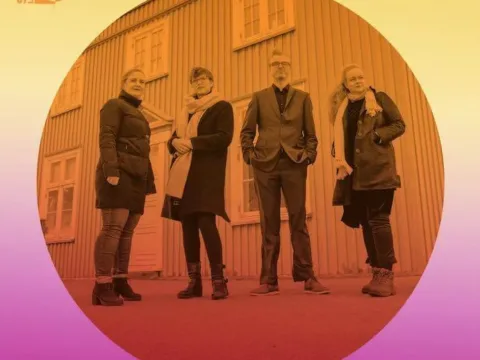
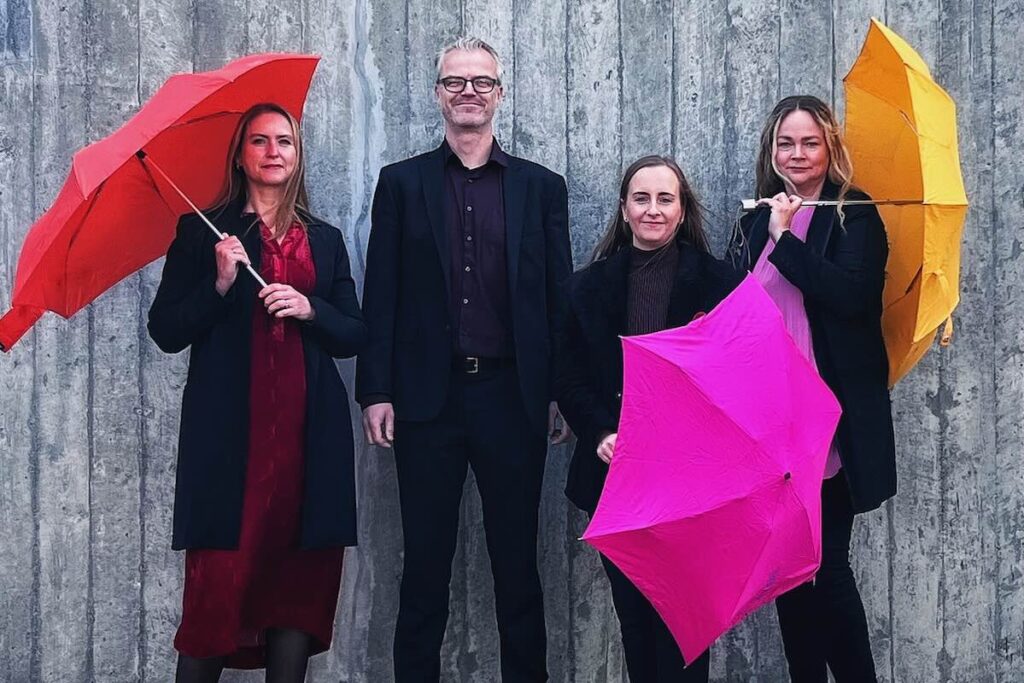
Like I said before the festival is not focused on the curator but rather the scene. For me it is most important that the festival is not curated by a single person but rather a team. We are four people in the curation team and we discuss all artistic decisions together. I find this process very important and interesting, since we all have different views and expertise. We also have a call for ideas for the festival and curate a large part of the festival from this open call. I think it is very important that the process is as transparent as possible and that there is a clear and organized path for artists to let us know about their projects.
We have a very clear mission for the festival: we want to give a good overview of the contemporary music scene in Iceland and the projects we choose must have a strong connection to the local scene. The program should be varied and serve the community. Having a clear goal or mission makes it much easier to put the program together; what makes it hard is that there are so many excellent projects to choose from.
Can you tell us about some of the artists and projects that will be featured at Dark Music Days 2026?
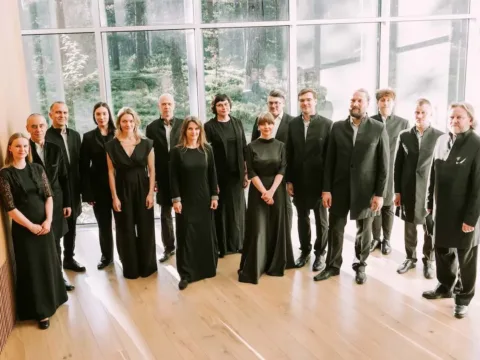
We have a wonderfully varied programme this year. At the opening of the festival, the youth chamber choir Huldur will perform a short music program under the direction of Hreiðar Ingi Þorsteinsson. The choir has attracted attention for its excellent performance, where the choir members’ compositions are often at the forefront. This will be followed by the annual Dark Music Days concert of Iceland Symphony Orchestra. Under the baton of Scottish composer and conductor James MacMillan the orchestra will perform works by three Icelandic composers, Snorri Sigfús Birgisson, María Huld Markan Sigfúsdóttir, and Bára Gísladóttir.
On Friday, January 30th the programme includes a concert by the German wind ensemble Apparat, which premieres Bergrún Snæbjörnsdóttir’s work, Intraloper. The work is is the result of a collaboration between Bergrún and the group and composed especially on the occasion of Dark Music Days. On Saturday, I am looking forward to hearing Stelkur and Steinalda, both composer-led groups of performers who specialize in performing the music of the group’s leaders, Guðmundur Steinn Gunnarsson and Charles Ross. The Caput Ensemble and the Reykjavik Chamber Orchestra are regulars of the festival and both ensembles will feature world premieres by leading Icelandic composers.
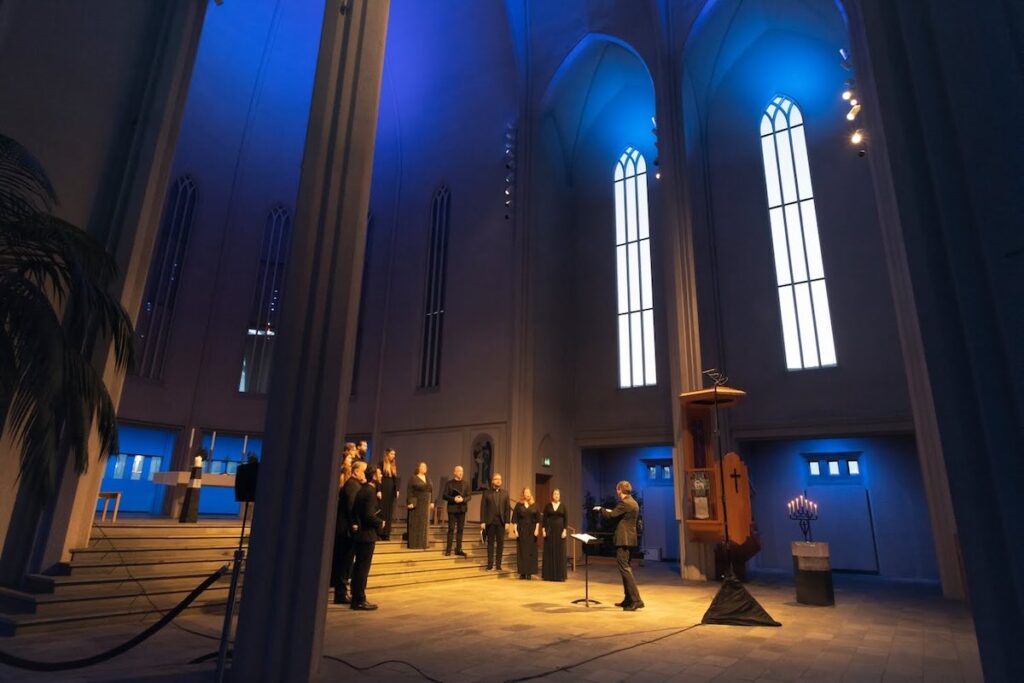
The festival will end at Hallgrímskirkja, Reykjavik’s iconic church, where chamber choir Cantoque Ensemble performs a programme dedicated solely to the choral music of Icelandic composer Hildigunnur Rúnarsdóttir. Prior to the concert, Rúnarsdóttir will give a talk about her career as a composer and the creation of the works that will be performed.
Icelandic composers have achieved a level of international recognition that outpaces many countries of a similar size. In your opinion, what gives Icelandic music this global appeal?
I think it is a certain fearlessness. For some reason Icelandic artists are not afraid to mix genres, or create their own, just not afraid to be themselves – and not afraid to fail. I feel like people focus on doing their own thing and don’t really worry about if it will be popular or if they fit in with the current trends or scene. There is a high level of nerdiness that I love, and passion. I think it is pretty unique, and this sincereness is something that easily draws global attention.
I live in Minnesota, and we have a lot of Nordic cultural influences here, including embracing the cold and dark winters. For your festival, what makes the dark winter days a good incubator for experimentation?
We just shot a couple of promotional videos for the festival where we interviewed some of the artists, and all of them talked about how they are way more productive in the winter. During the summertime it is hard to focus, when the sun shines all day and night and the energy is super high. The darkness draws people in and gives them space and the quiet of mind to be creative and focus on their work. It is like the darkness shuts out the noise and sharpens the ears to listen closer. I also think that people just need some contrast to all the Christmas festivities in January and contemporary music is a perfect contrast to all that!
I CARE IF YOU LISTEN is an editorially-independent program of the American Composers Forum, and is made possible thanks to generous donor and institutional support. You can support the work of ICIYL with a tax-deductible gift to ACF. For more on ACF, visit composersforum.org.