The multitudes of Black womanhood are center stage in Black Being, a new four-part song cycle by Flutronix. The latest project from the duo of flutist-composers Nathalie Joachim and Allison Loggins-Hull grapples with historical traumas while emphasizing the grace and resilience that Black women have shown through these hardships. The world premiere recording, out Feb. 13 on Cedille Records, features Flutronix as soloists with the Chicago Sinfonietta, led by conductor Mei-Ann Chen, and words by North Carolina Poet Laureate Jaki Shelton Green that bring even more life to the piece.
While the song cycle encompasses a wide scope of historical and contemporary references, the refrain of “we keep coming” ends each movement and threads everything together. The work opens with “Angels,” a haunting blend of velvety lower register flute and Joachim’s delicate vocals. The orchestral accompaniment is mellow while the solo flute oscillates between swift, breathy notes and short lyrical solos that fade in and out.
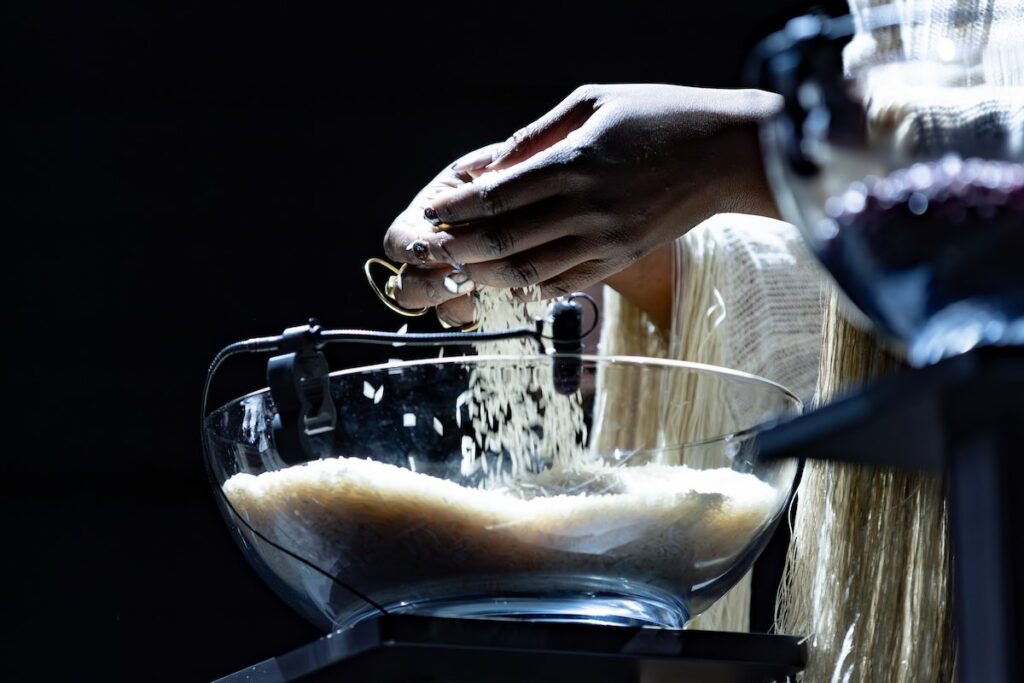
From this placid opening, the brass swells into the occasional fanfare, backed by heavy drums and metallic tremolos from the upper strings; amid the darkening timbre, Joachim sings about the horrors of chattel slavery, her voice layered with a vocoder that adds a chilling effect. Lines like “if they could, they would have strangled us inside the bellies of our mamas” are recited slowly, each word stretched out and bearing its full gravity.
“Water Babies” picks up this theme of Black motherhood and develops it further. The light, tranquil opening captures the joy and comfort that a mother can provide, but subtle dissonances lurk beneath the surface. The movement is inspired by the tragic realities of those who jumped overboard into the ocean rather than be taken into captivity. In some cases, mothers chose this fate for their own babies, granting them freedom from the cruelties that awaited while bearing the unimaginable suffering of this decision.
In a shift away from somber themes, “Moon Pies and Stardust” embodies the feeling of endless possibility on a crisp, open night. Soft, shimmering harmonics and twinkling bells provide an ambient backdrop for short solos passed around the wind section. These melodies grow into a gentle flute duet before the entire ensemble swells to a bright arrival. Joachim’s voice floats atop strings and fluttering winds, once again closing with the refrain, “we keep coming” — this time, with a twinge of hope.
The relationship between past, present, and future that is alluded to throughout the piece manifests most starkly in the regal and declarative finale, “Black Lights.” Announcing itself with a thunderous opening and triumphant brass, the spirited opening is reminiscent of the drumming practices enslaved people brought with them when they were taken from their homes. Meanwhile, bow sticks snap sharply against strings, adding another dimension to the percussive movement. The refrain of “we keep coming” appears for the final time, echoing with a variety of electronic effects – ancestral sounds are juxtaposed with modern and futuristic influences; past and future blend.
With Black Being, Joachim and Loggins-Hull weave shared experiences through a non-linear timeline, highlighting the strength and persistence that have carried Black women through every era. The refrain “we keep coming” effectively binds these qualities across the drastically different moods and circumstances within the piece. The electro-acoustic song cycle sets out with a complicated task, but handles the narrative of its subjects with care.
I CARE IF YOU LISTEN is an editorially-independent program of the American Composers Forum, and is made possible thanks to generous donor and institutional support. You can support the work of ICIYL with a tax-deductible gift to ACF. For more on ACF, visit composersforum.org.