Money Matters is a NewMusicBox x I CARE IF YOU LISTEN collaboration, supported by New Music USA
As someone who has lived as an artist and an arts leader, I have seen how often talented artists pour everything into their craft while leaving the financial side of their lives underdeveloped. It’s understandable. Most artists are trained to listen deeply, practice relentlessly, create courageously, and perform with excellence. Very few are taught how to build a budget, manage taxes, create savings discipline, understand debt, or plan for retirement. Yet these things matter a great deal.
Financial literacy is not separate from artistic life. It is a critical part of artistic life.
For artists, money is often emotional. It can feel irregular, uncertain, even intimidating. One month may bring several gigs, a commission, a teaching opportunity, and a licensing payment. The next may be quiet. Many artists live inside that tension between feast and famine, which is precisely why financial management is not a luxury. It is a survival skill, a wellness practice, and a pathway to freedom.
As President and CEO of the DC Jazz Festival, I work closely with artists across the country and see firsthand the challenges they face in building sustainable creative careers. Having also spent years as a performing artist myself, I care deeply about helping musicians gain the financial tools they need to support both their art and their lives. I always tell artists that financial literacy starts the moment you decide that your creative life deserves structure. Not rigidity. Not fear. Structure. A framework that allows you to protect your art while also protecting your peace.

In jazz, we understand that even the most transcendent improvisation is built on form, discipline, listening, and time. The solo may soar, but the artist still knows where the changes are. Money works much the same way. Your creative life can and should have room for spontaneity, inspiration, and risk. But underneath, there must be a rhythm, a set of practices that keep you grounded.
Too many artists believe that financial planning is only for people with high incomes, investment portfolios, or full-time salaried work. But financial literacy is even more important when income is inconsistent. If your life includes freelance work, teaching, touring, commissions, project-based income, and side jobs, then you need financial habits that can hold you steady across fluctuating seasons.
Do not wait until you are making “real money” to become financially disciplined. This is a call to start now. Start with what you have. Start small if you need to, but start.
The first place to begin is with a monthly budget. I know that word can make people tense. But a budget is not punishment. A budget is clarity. A budget tells the truth. It shows you what your life costs and what your habits are. It helps you see whether your spending reflects your values or your impulses.
A budget can be broken into three simple categories: obligations, discretionary spending, and savings. Your obligations are the things you must cover: rent, utilities, insurance, debt payments, recurring bills. Your discretionary spending includes wants and flexible spending. Your savings is the portion that builds security. The percentages may shift depending on your circumstances, but the principle remains the same: save something first, cover what must be covered, and keep a watchful eye on the rest.
Every check, honorarium, royalty payment, teaching fee, or grant should be handled with intention. Pause. Breathe. Ask where the money needs to go. Pay yourself in the form of savings before lifestyle spending expands to absorb it. Even modest, consistent saving begins to change your relationship to money.
Saving is not just about wealth. It is about reducing fear.
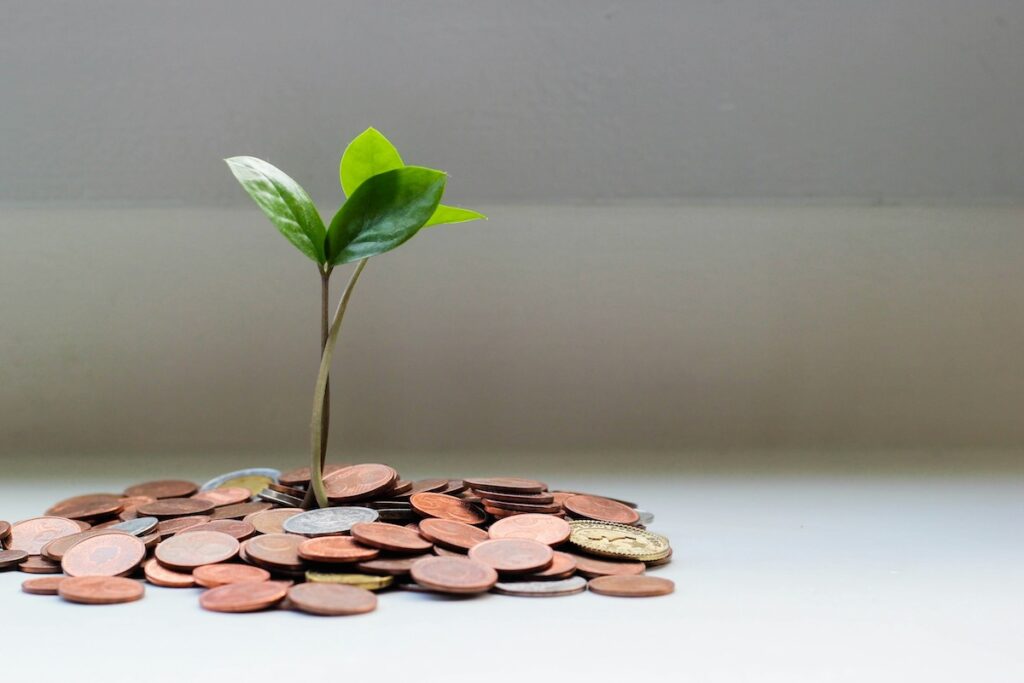
Artists know what a dry spell feels like. A canceled performance, a delayed payment, a slow season, a health issue, or an unexpected family expense can create enormous stress. An emergency fund helps reduce that stress. It gives you room to think, room to choose, room to recover. For artists in the gig economy, emergency savings are not optional. They are part of the instrument case. Part of the touring bag. Part of the toolkit.
Then there is debt. Credit can be useful, but high-interest debt can quietly choke creative freedom. It can keep artists working from a place of desperation rather than purpose. It can force bad decisions, underpriced work, or a constant sense of scarcity. Learning how credit works, building credit responsibly, and avoiding unnecessary high-interest debt are all part of becoming financially literate. Debt should not be the unseen bandleader directing your life.
Recordkeeping matters, too. I say this with love: artists must keep better records.
Save invoices. Track mileage. Log expenses. Separate personal and business spending. Open a business checking account if you are earning income professionally. Use accounting tools if they help you stay organized. And when your work grows to the point where you can do so, hire a bookkeeper or CPA. These are not glamorous tasks, but they are deeply important. They help you understand whether your art is generating income, where money is going, and what deductions may support you at tax time.
Taxes are one of the biggest areas where artists get caught off guard. If you are self-employed, paying quarterly taxes, tracking deductible expenses, and working with a trusted tax professional can save enormous stress later. A good financial system helps you manage your obligations wisely and legally.
I also encourage artists to think beyond earned income from performances alone. Diversifying income streams can create greater stability. Teaching lessons, leading workshops, offering masterclasses, licensing compositions, collecting royalties, and building a meaningful digital presence are all ways artists can strengthen their financial base. These streams do not dilute your art — they allow your knowledge, your catalog, and your gifts to keep working on your behalf.
And yes, artists should think about investing and retirement.
I know retirement can feel very far away, especially for younger artists or those still trying to stabilize monthly cash flow. But the earlier you begin, even in small amounts, the more powerful time becomes. Compound growth rewards consistency. A Roth IRA, Solo 401(k), SEP-IRA, or other retirement vehicle may sound like language from another world, but it is a language artists can learn. We learn complex harmony, intricate arrangements, foreign lyrics, and difficult repertoire. We can learn this, too.
The larger point is this: financial literacy gives artists options.
It allows you to say no to exploitative opportunities. It helps you make the jump to full-time artistry with greater wisdom. It helps you understand how much runway you need, how much you truly spend, and what kind of support structure must be in place before your art becomes your primary livelihood.
Just as importantly, financial literacy supports mental health. Financial stress is real. It can impact relationships, sleep, confidence, creative risk-taking, and even physical health. We should normalize monthly financial check-ins the same way we normalize rehearsals, practice schedules, and production meetings. Artists need open, honest conversations about money without shame.
Across the arts field, organizations and leaders are beginning to create spaces where artists can learn the financial tools necessary to sustain their work. Over the years, the DC Jazz Festival has intentionally expanded its role beyond presenting performances to supporting the long-term sustainability of the artists who make the music possible.

Through our Financial Wellness programs such as Musicians Are Small Business Owners Too, we provide musicians with practical tools to approach their careers not only as creative callings, but as small business enterprises. Today’s artists are independent producers, educators, composers, and cultural entrepreneurs navigating contracts, intellectual property, taxes, and irregular income streams.
Through workshops and conversations with financial advisors, arts leaders, and fellow musicians, we work to demystify these realities and encourage thoughtful financial stewardship. This effort also aligns with the growing national dialogue reflected in our initiatives such as Creative Labor Creative Conditions, which call attention to the structural conditions necessary for artists to sustain their practice.
No artist should feel embarrassed for not knowing everything. But every artist should feel responsible for learning. Taking control of your money does not mean becoming money-driven. It means becoming money-wise. It means understanding that creative freedom is strengthened when your financial life is not in chaos. It means recognizing that discipline offstage can protect brilliance onstage.
I want artists especially to hear this clearly: your art has value, and so does your future.
Do not give your best energy to the world and leave nothing organized for yourself. Do not build a body of work and fail to build a financial foundation beneath it. Do not assume that because you are gifted, things will simply work out. Hope is beautiful, but systems matter.
In jazz, there is a difference between noise and sound, between wandering and intention. Financial literacy helps artists move with intention. It helps you hear the deeper rhythm beneath the chaos.
Artists have enough uncertainty built into the work itself. The money should not remain a mystery, too. Make financial wellness a practice. Build security alongside beauty. Build structure alongside imagination. Build a life in which your art can thrive not only in moments of inspiration, but across the long arc of a full and sustainable career.
That is not a betrayal of your art.
That is honoring it.