Over the past 80 years, Gaudeamus Festival has established itself as a place for pioneering composers and sound artists. The program consistently features an eclectic group of today’s most innovative musicians, including nominees for the prestigious Gaudeamus Award, which is annually given to a trailblazing young composer. The Utrecht-based festival is organized by the Gaudeamus Foundation, which was established in 1945 to support inventive new music; it has since become central not only to the music scene in The Netherlands, but to the larger composer community as a space for experimentation.
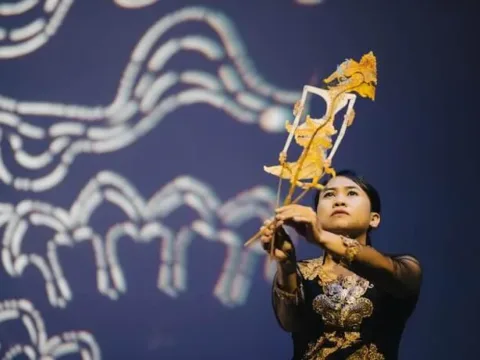
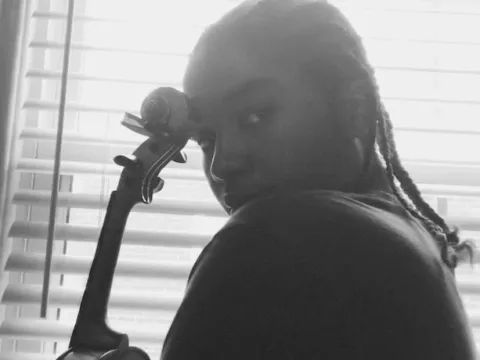
Gaudeamus has an important legacy, having premiered works such as György Ligeti’s Poème Symphonique (1963) and having presented the Gaudeamus Award to composers including Pauline Oliveros, Unsuk Chin, and Michel Van der Aa, among many others. This year’s festival, which takes place from Sep. 10-14, showcases a characteristically broad scope of today’s cutting-edge musicians. Highlights include Los Thuthanaka, the duo of Chuquimamani-Condori and Joshua Chuquimia-Crampton who make ecstatic sound collages of Bolivian Aymara tradition, dance music, and more; Sounds Like Juggling, a theater group bridging the art of juggling and the creation of self-made instruments; Javanese singer and composer Peni Candra Rini, who will perform a new theatrical production Rara — Allegories of the Seven Seas; and the Canadian ensemble Quatuor Bozzini, who are celebrating their 25th anniversary with four string quartet premieres. Music by the four composers in the running for this year’s Gaudeamus Award — Matthew Grouse, Robin Haigh, Yaz Lancaster, and Golnaz Shariatzadeh — will also be featured throughout the festival.
We asked five questions to Martijn Buser, Artistic and General Director of Gaudeamus, to learn more about the festival’s history, this year’s program, and the importance of making space for artists to take risks.
What sets Gaudeamus apart from other similar music festivals?
Gaudeamus Festival is different from other contemporary music festivals as we are primarily focusing on the younger generation of composers, artists and composer-performers. Besides, we showcase the full width of contemporary music these days, not dogmatic programming of certain specific (Anglo-American or Eurocentric) styles, or following the vision of one artistic direction. The Gaudeamus Festival is our most important activity, with related composition commissions and co-productions, residencies and exchanges, the Gaudeamus Award, and concert series. The festival is made by four curators in close collaboration with over 50 partners worldwide. An independent and annually changing jury selects four young emerging talents for the Gaudeamus Award. As a Dutch-based organization we also highlight the Dutch scene a lot with commissions, coproductions and premieres in the festival.
What is truly unique to Gaudeamus Festival is the vertical programming, comparable to pop festivals. You buy one ticket (day pass or pass-partout) and you have access to everything, designing your own route throughout the festival.
This year’s events span many styles and genres. What are your goals when programming the festival?
We as curators are composers of the festival. We have clear goals that we have a good balance in musical styles. Next to ensembles and musicians (let’s say the more traditional contemporary music), we present interdisciplinary performances with sound as a basis, installations, site specific work and projects involving live electronics, new instruments & technological innovations. Next to that we aim to present young and emerging artists under 35 and mid-career and matured artists. We carefully look at the balance of the musical styles and genres and the status of the artists.
Curiosity is what we ask from ourselves, from our audience and from our musicians. Broadening the programming means that we effectively want to invite new audiences, that they feel welcomed. This means we actively develop audience reach centered around the featured artists and the communities they have developed or are developing.
A special place in the program is the support we give to mid-career artists who want to make a new development in their artist practice. The adventurous pop musician Tessa Douwstra (artist name LUWTEN) is developing new music for an installation in the Central Museum; indie-artist Nana Adjoa is re-arranging her layered songs for and with Cello Octet Amsterdam.
A major part of the Festival is music by nominees for the Gaudeamus Award. How does this award support young composers?
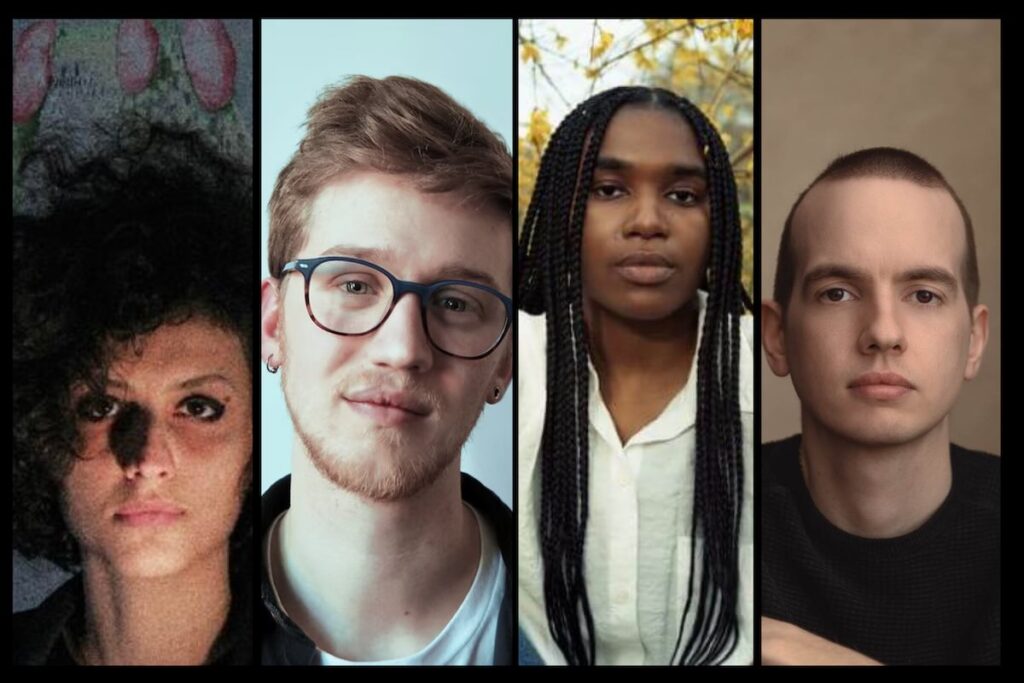
Being awarded for the Gaudeamus Award is a once in a lifetime opportunity for emerging artists and a career-shifting event. Four young music pioneers are awarded for this annual Award, previously handed over to pioneering artists like Louis Andriessen, Pauline Oliveros, Ted Hearne and Rohan Chander. Since 2015 we have given the four a real showcase in the festival with almost an hour of music from each one of them, as a red thread throughout the festival days. We try to escape from the competition element in contemporary music and believe in shared values like opportunities and sustainability. The Award-program therefore is really the place for four young emerging artists to shine. Prior to the festival they are guided by the jury members and the audience can really get to know them through video content and interviews. During the festival audiences and international artistic professionals can follow their developments. At the end of the festival one of them will receive the Gaudeamus Award and get a new commission from Gaudeamus. But the collaboration with them is not over yet; we will be in close contact with each one of them to connect them to our network and give them other opportunities to shine.
Gaudeamus presents radical experimentations with music, which means successes, failures, and everything in between. Why is it important to maintain spaces where composers can take risks?
The festival gives the right context to present experiments. Gaudeamus dares to take the risks that other bigger festivals, venues and concert halls can’t afford. They are facing different challenges. Without festivals like Gaudeamus, contemporary music will be a fossil within a few years. We need new pioneering artists developing the discourse of the contemporary music scene. From the risks we dare to take, and for which we are valued by audience and financial partners, a new generation of artists can make their first steps in the professional field, eventually going to those bigger festivals and venues. In the arts chain we are the first milestone for many emerging artists. Seventy to eighty percent of the festival is new music. Though we trust the artists and partners we work with, we take for granted that not all work will come to life equally fruitful. What is worthwhile to us, is the impact we have on the career of the artists.
Gaudeamus is now in its 80th year. What does it mean to you to be stewarding the organization right now and into its future?
It’s needed to add here that I share the direction with our financial director Floor Ruyters. Together with her and the amazing (small and flexible) team we keep pace with developments in the contemporary music field and, more importantly, try to be at the forefront and setting new directions. Existing 80 years means that we have always found ways to develop as an organization and festival. Something we can only achieve with the support of stakeholders, audiences and partners who believe in our mission just the way we do. This gives us the stable foundation to prolong for another 80 years. Expanding and renewing our audiences with an exciting program of young and emerging artists coming from all corners of the world, is what will keep us relevant.
I CARE IF YOU LISTEN is an editorially-independent program of the American Composers Forum, and is made possible thanks to generous donor and institutional support. Opinions expressed are solely those of the author and may not represent the views of ICIYL or ACF.
You can support the work of ICIYL with a tax-deductible gift to ACF. For more on ACF, visit composersforum.org.