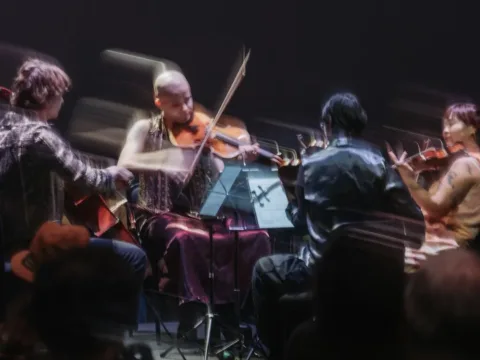
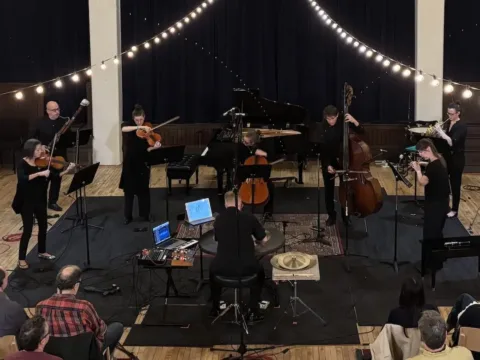
Multidisciplinary collaboration is essential to bring opera to life, fusing singing, acting, choreography, set construction, costume design, and so much more into a single production. And in the case of The Industry’s upcoming LAB series, this collaboration is the key to platforming new voices within the discipline.
Known for their experimental productions, The Industry is making a point to challenge traditional definitions of what opera can be. Their LAB series — which specifically features interdisciplinary artists who do not normally work in opera — is central to this work.
Tim Griffin, The Industry’s Artistic & Executive Director, explains: “It’s important to make this artform — with its history, and inherent flexibility — accessible to people who are not familiar with it, or who have never had the opportunity to work within it.”
Artists selected for the LAB are asked to engage with opera’s complex history and reimagine it both in a stage production and a gallery space at the Roy and Edna Disney CalArts Theater (REDCAT). “While the current LAB is in keeping with our mission of expanding the definition of opera — asking who it’s for, and where it is seen — it will be particularly special. The projects move from film alongside performance to an opera actually staged as an exhibition installation,” Griffin said. “Opera offers a lens through which to reorganize all these other forms and our experience of them.”
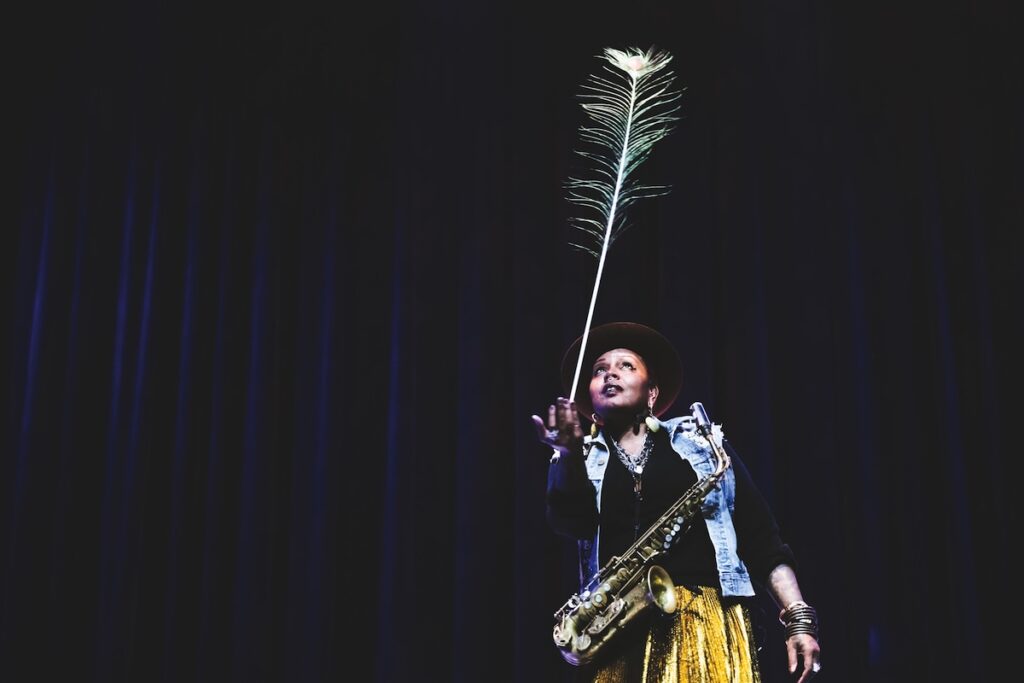
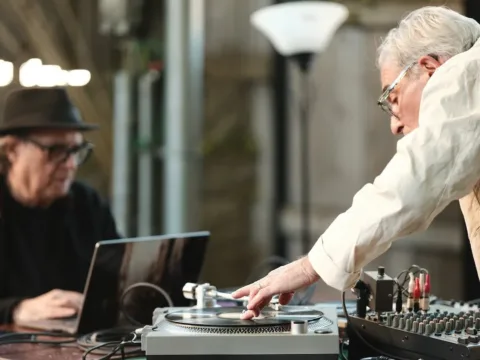
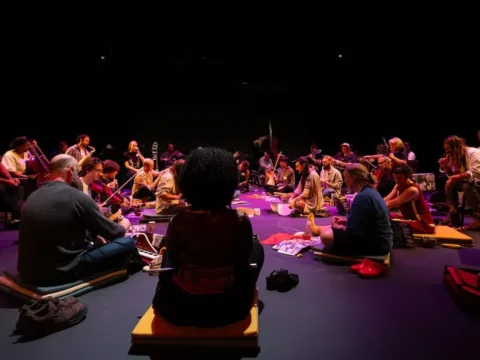
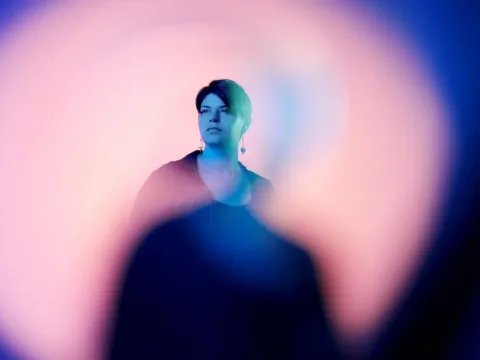
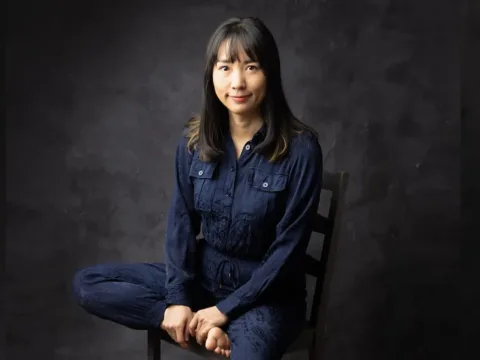
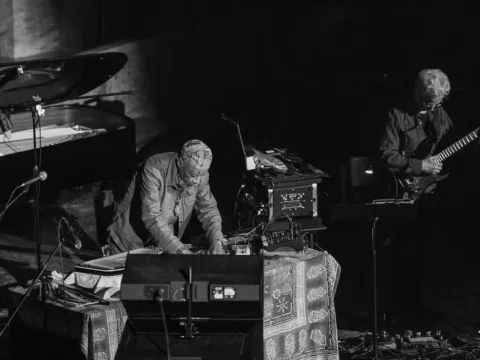
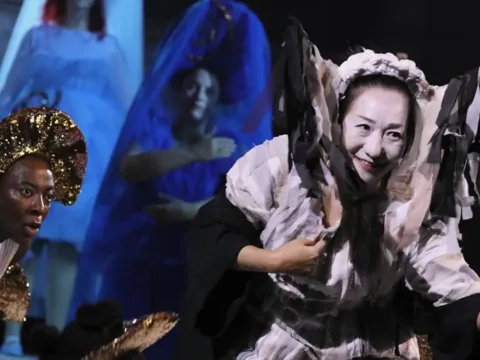
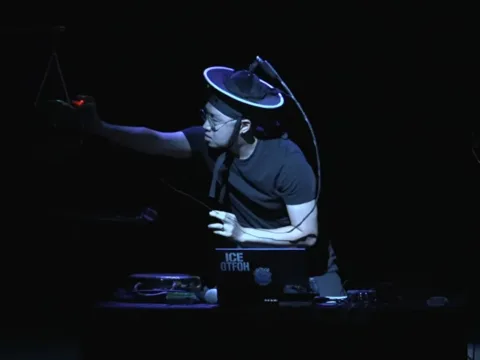
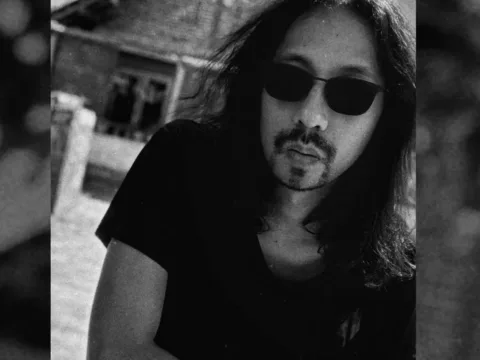
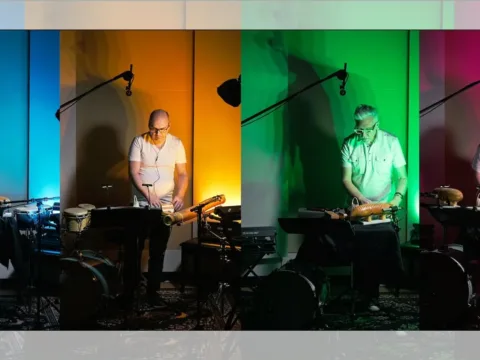
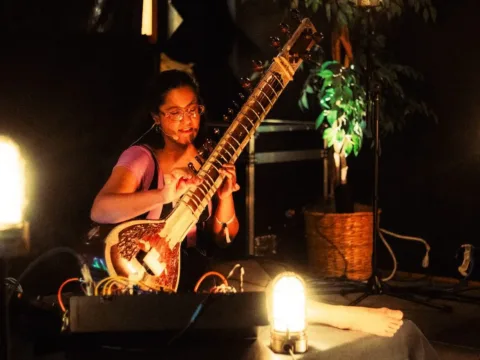
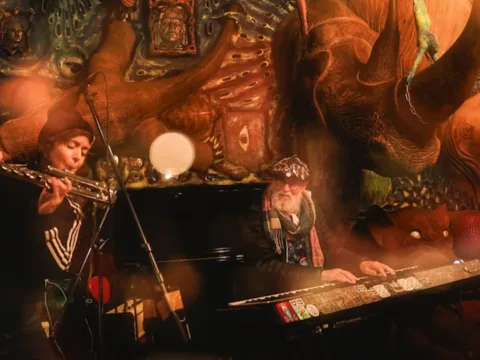
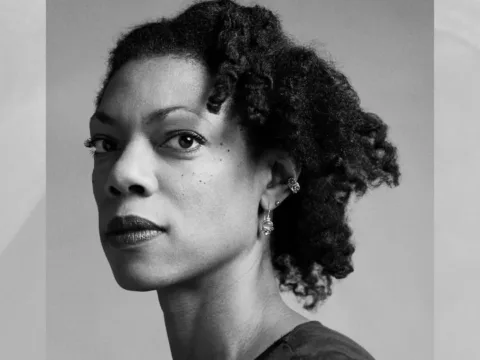
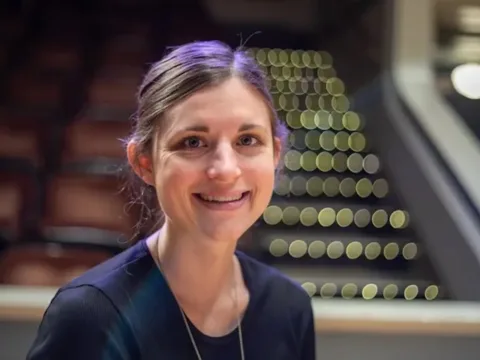
LAB 2026, running Feb. 18 – Mar. 1, features new work from Matana Roberts, Guillermo E. Brown, and Carmina Escobar, who each look to an array of artforms for inspiration, from visual arts to literature. Feb. 28 will see the world premiere of Matana Roberts’ spiral resonance: a study in the abstract, with four subsequent activations and a gallery exhibition open for the entirety of the series. spiral resonance is an immersive sound and moving image installation with an open layout, encouraging visitors to move freely throughout the space. Guest artists Patrick Shiroishi (Feb. 24), Ryan Sawyer (Feb. 25), Kyp Malone (Feb. 28), and Judith Berkson (Mar. 1) will bring their own interpretation to their respective performances in the space, as the experience is designed to shift and change. On Feb. 27, Roberts will be in attendance for a post-show Q&A with Griffin.
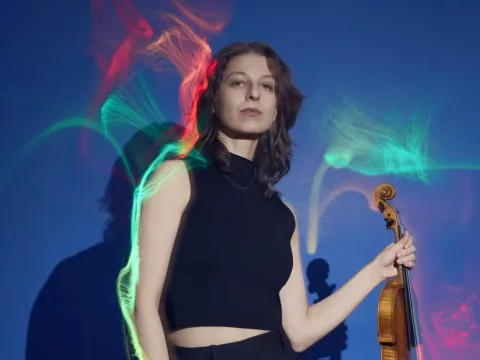
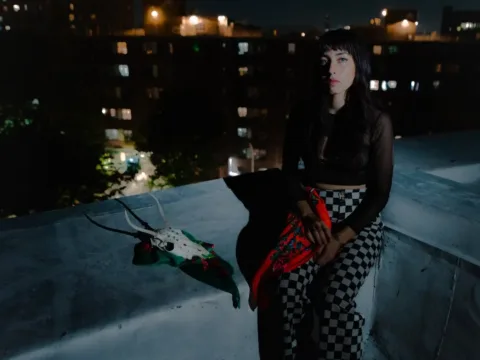
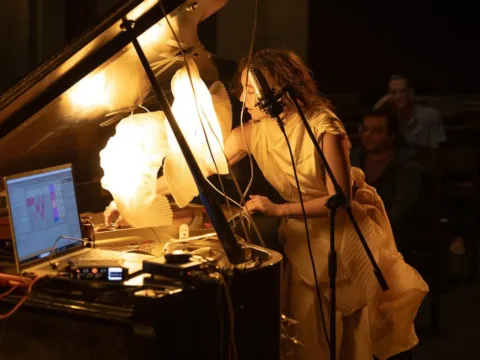
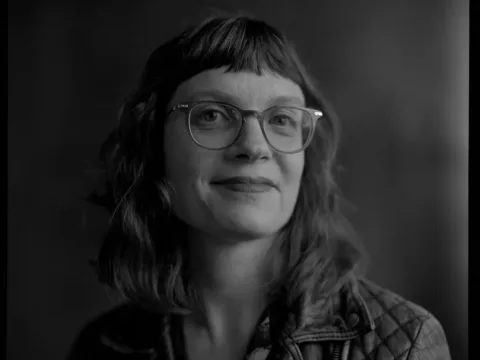
Carmina Escobar and Guillermo E. Brown share a program (Feb. 20-22) and are both incorporating experimental techniques into their projects. Escobar is an extreme vocalist who explores the limits of the human voice, and she will perform in the world premiere production of her work Our Voice Is Not at the End of Anything. She does not usually work in opera, but the LAB was not her first introduction to the genre.
While studying classical voice in Mexico, a university strike halted Escobar’s program, which led her to explore other ways of making music that felt more authentic. “It’s a very colonial structure,” she said of her university music curriculum. “You’re basically practicing the traditional music of Europe.” Still, the multidisciplinary nature of opera is an element that she’s always admired, and its ethos is reflected in her own output.
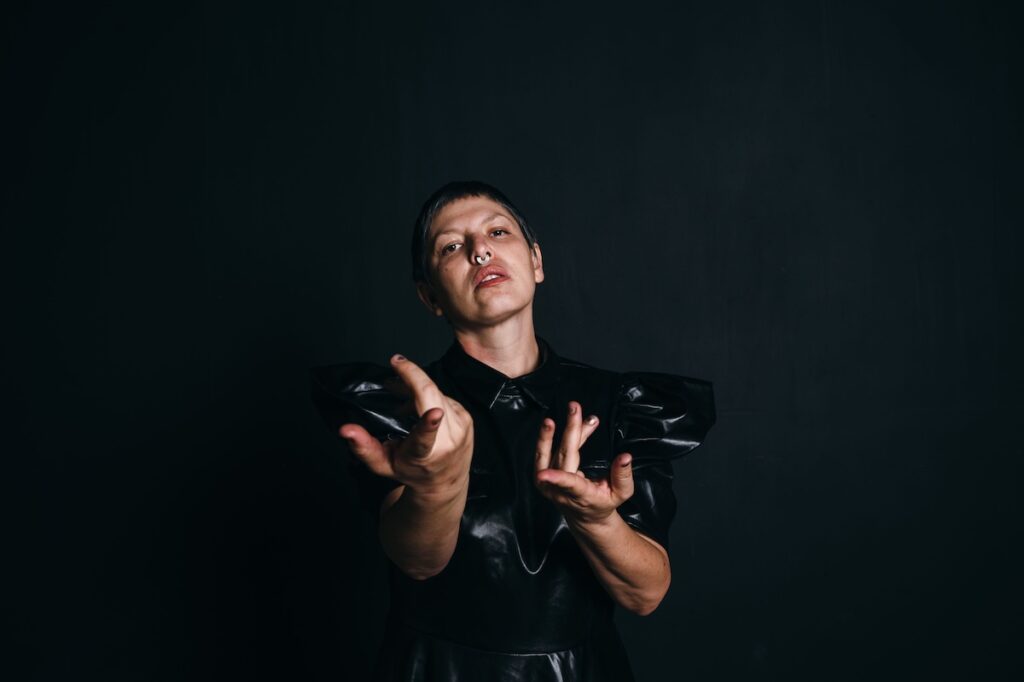
Our Voice Is Not at the End of Anything is split into four parts, each one asking a philosophical or existential question about its function and purpose. Throughout the piece, Escobar connects these ideas through vocal styles. “The point of origin is primordially this voice that screams, because the scream is the first thing that brings us into this world. You breathe and the expression of that breath is that of existence,” she said.
Subsequent parts dissect the meaning of “voice,” how it connects to the body, and its relationship to sound (e.g. what is it like to experience a piece of music solely through ASL interpretation?) Escobar credits being able to experiment with these ideas and bring in long-time collaborators to a successful and supportive partnership with The Industry. “They give a lot of space, especially because these things are processed and experimental, and they just trust you and try to facilitate. I have loved the process a lot.”
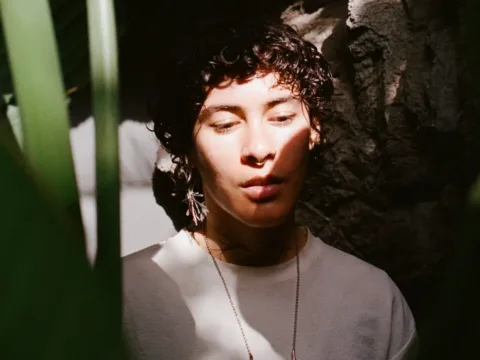
Brown’s portion of the program is a triptych that unfolds in roulette-like style. “I don’t have any expectations for how this is supposed to go,” he said of the upcoming world premiere. “It’s going to change every night. I guess it’s much more like a band that has opera singers.”
The first piece, The Instrument, will feature a 30-inch projection surface that will be used as both a screen and a drum, blending singing, percussion, and electronics to create a relationship between sound, touch, and image. The second work, titled Romance, is inspired by Claude McKay’s posthumous novel Romance in Marseilles, which was published for the first time in 2020, 87 years after it was written. Naturally, distorting time is a central objective here. “I’m in a long line of musical thinkers playing with time… I want to see if I can stop it. And if I can, however fleeting, then the prototype will have worked,” Brown said.
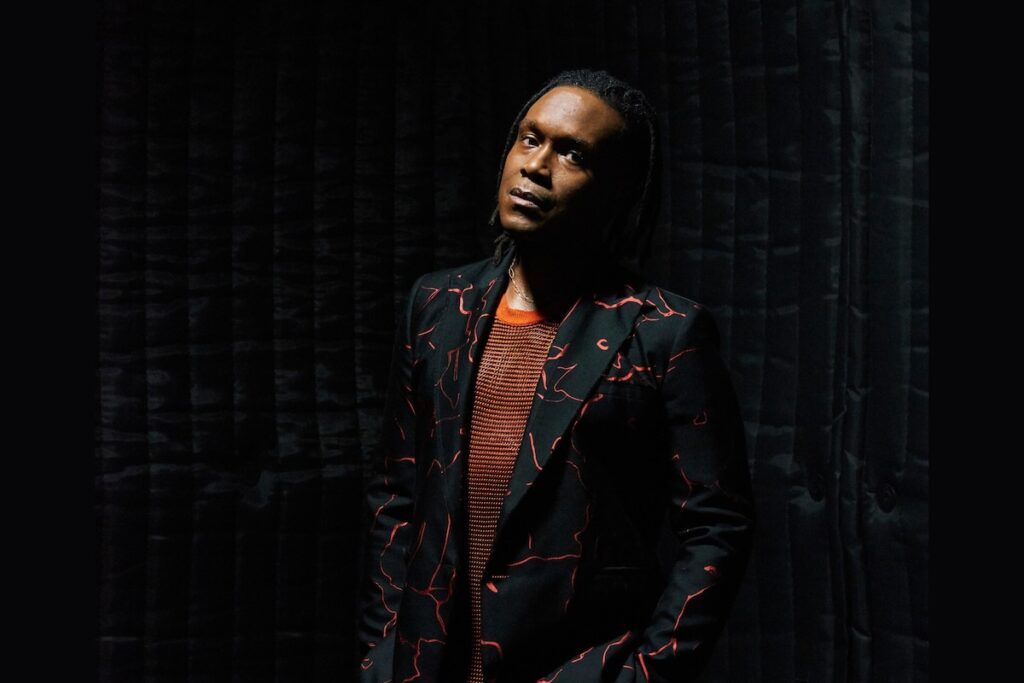
The final piece, the percussion-driven Bee Boy, continues this manipulation of time by drawing comparisons across historical lines. When explaining his inspiration, Brown referenced the European honey bee, imported to the United States and used to pollinate the food supply. “They’re part of the farming industrial complex… I began to see parallels between how bees are treated and how Black folks are treated.”
All of the new work created for LAB 2026 explores how we might uncover something unknown from a well-established format. Roberts is experimenting with space and texture, while Escobar and Brown are using their own disciplines of vocals and drums as a central part of their productions. In an artform that can be so prescriptive, The Industry is creating a space for artists to reimagine opera from their distinct point of view. “While these artists may not have a background in opera, they have worked in an interdisciplinary way, moving across contexts,” Griffin said of this year’s featured artists. “Sometimes the most liberating thing is to look again at models from the past, often overlooked, and implement them to create the language of a new time!”
I CARE IF YOU LISTEN is an editorially-independent program of the American Composers Forum, and is made possible thanks to generous donor and institutional support. You can support the work of ICIYL with a tax-deductible gift to ACF. For more on ACF, visit composersforum.org.