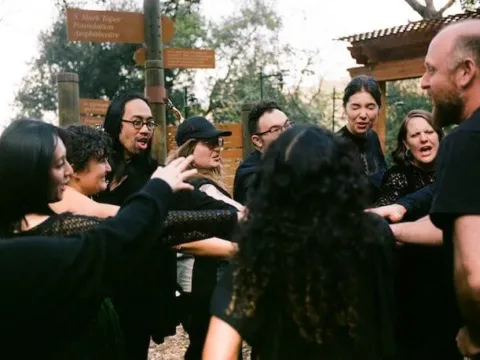
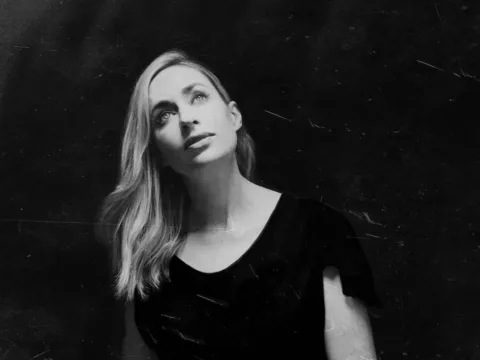
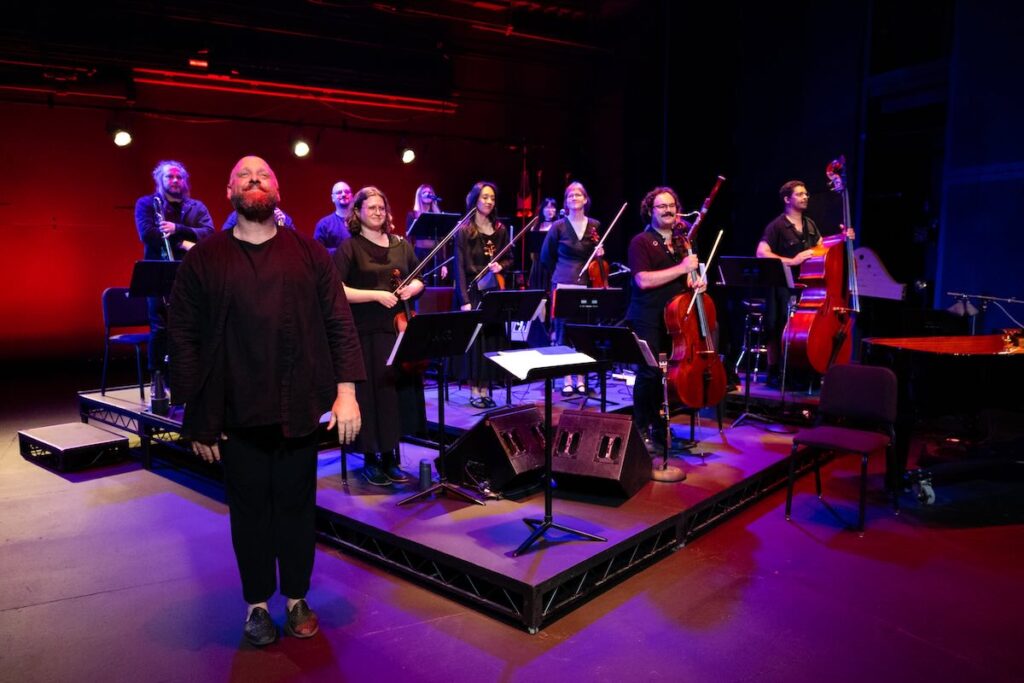
In a world of constant connectivity, what do we gain from looking within? Wild Up’s Jun. 6 program, titled “The Interior Castle,” contended with this question and the effects of introspection on a composer’s output. The GRAMMY-nominated orchestral collective, conducted by Artistic Director Christopher Rountree, brought works by women spanning nearly 1,000 years to the Roy and Edna Disney CalArts Theater (REDCAT), including two world premieres. Prayer being one of the most common meditative practices people have engaged in across centuries, religious voices and perspectives were prominent in the selections, reaching back to a time when religion was intertwined with nearly all music in the West. This connection was the foundation for the inward reflection asked of the audience — to look past where we are now to where everything new we would hear that night came from.
The concert was structured in ritornello form, centering four solo piano works by Ethiopian composer, pianist, and nun Emahoy Tsege Mariam Gebru. The pieces were performed from a piano enclosed in a dimly lit box covered in fabric, situated opposite the stage from the ensemble, mimicking her own cloistered life as a nun. Each return to Gebru’s works throughout the program anchored the audience back in the contained box after every venture outward.
Gebru’s life spanned exactly 100 years (1923 – 2023) during a period of time that included many familiar eras of music, and these influences were apparent in her works. Particularly in The Homeless Wanderer, clipped syncopations and quick flurries of notes sounded straight out of the ragtime days of the early 20th century, while the mellow harmonies they dissolved into were reminiscent of gospel worship songs, and even blues. The sonic connections unveiled a harmonic language that explored introspection across sacred and secular lines. When are we most in touch with our vulnerability, if not while kneeling at the pulpit, or laying out our woes for all to hear?
All of Gebru’s works also included an undeniable undercurrent of Western classical influence. Shaped by Romantic solo piano works, The Song of the Sea featured a gloomy, tense melody that modulated upwards, repeatedly clearing up into brief moments of happiness before cascading back down the piano.
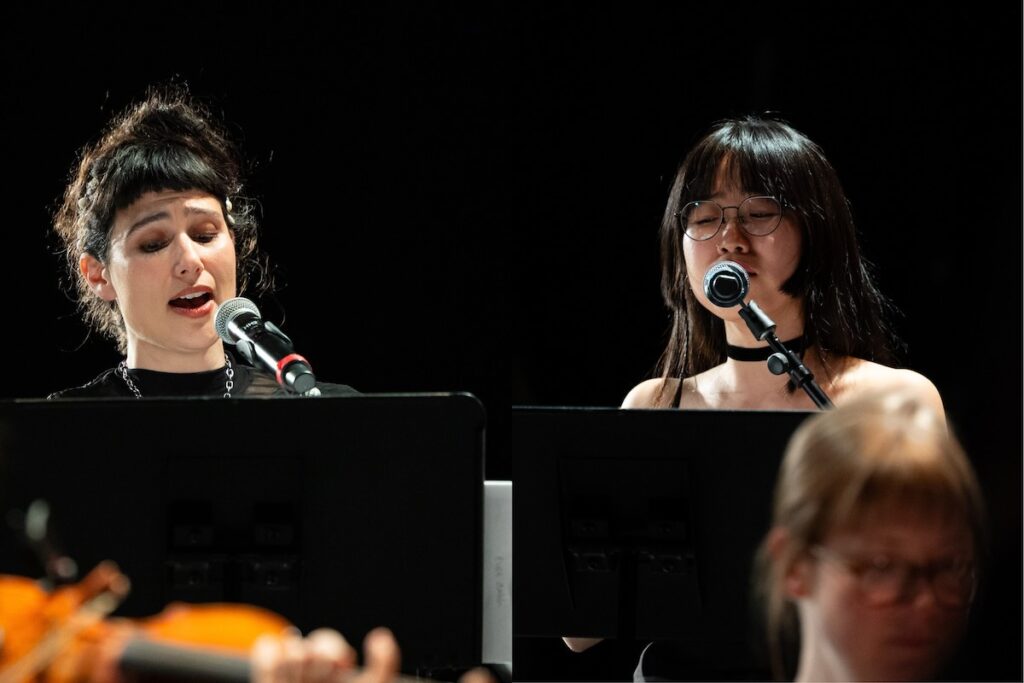
The True City, a world premiere by Los Angeles-based composer Eliza Bagg, seamlessly emerged from her own arrangement of Hildegard von Bingen’s O presul vere civitatis. Both shared a subtle use of electronics to expand the sonic world, the former employing heavy reverb to a trio of vocalists, while the latter added deep pulsations as the lights dimmed in tandem with the music. While Bagg’s portion of the program started with distorted pitches, resonant pizzicato, and rhythmic unpredictability, it ultimately settled into something much softer; the music morphed into the open, vibratoless texture of a Baroque ensemble before settling into lush, Romantic cadences.
The lively additions of Sonata Quinta and Sonata Decima by Italian composer Isabella Leonarda (1620-1704) were welcome, as they ushered in the arrival of the ensemble’s wind section, which brought depth and brightness to fuller passages. Sonata Quinta was the picture of a quintessential Baroque jig, complete with ornamentation. The two pieces side-by-side brought a wonderful contrast by showcasing the ensemble’s masterful switches in tone and mood, moving from weighty, triumphant moments driven by the low strings to bouncy, delicate melodies and broad, open tones.
The titular piece, a world premiere by Wild Up member M.A. Tiesenga, drew inspiration from St. Teresa of Ávila’s 1577 text of the same name, originally written as a guide to Catholic prayer and a contemplative life. A chant-like solo from the bassoon was passed over to the vocalists, who were joined by a robust string accompaniment. A red light gradually washed over the orchestra as one voice rose above the others and the musicians fell away. As the ensemble crept back in, the vocalists chanted the text with percussive diction, and eventually everything was overtaken by a blazing trumpet solo before fizzling into silence.
With “The Interior Castle,” Wild Up breathed new life into works of spiritual and historical significance by juxtaposing them with world premieres and modern interpretations. Through subtle lighting and set choices, the performance immersed the audience in an experience that both interrogated the depth of one’s inner world and demonstrated how it can be enriched by sharing it with others.
I CARE IF YOU LISTEN is an editorially-independent program of the American Composers Forum, and is made possible thanks to generous donor and institutional support. You can support the work of ICIYL with a tax-deductible gift to ACF. For more on ACF, visit composersforum.org.